Mailing address
Association for Comprehensive Energy Psychology (ACEP)
28 Garrett Ave. Suite 100
Bryn Mawr, PA. 19010 USA
Home Office Phone, Skype & Fax
ACEP Main Phone: 619-861-2237
ACEP EFT Questions: 484-380-2448
Skype: leslie.acep
Fax: 484-418-1019
ACEP Staff
Robert Schwarz, PsyD, DCEP, Executive Director
Email: [email protected]
Leslie Primavera, Office Manager/Certification Coordinator
Phone: 619-861-2237
Email: [email protected]
Cynthia Joba, Director, Outreach & Communications
Email: [email protected]
Susan Carney, Admin Assistant/CE Coordinator
Phone: 484-380-2448
Email: [email protected]
Blog

If you want to learn how to feel better fast next time you're upset, you have come to the right place. This blog teaches you an easy tool you can use to help you feel connected and safe.

A study by Shamini Jain that was published in the journal Cancer in 2012 looked at biofield therapy to address fatigue in cancer patients. They found biofield therapy significantly reduced fatigue (p<.0005; that means there is less than a 5 in 10,000 chance that the difference was not because of the therapy). The theory Jain and her team noted that fatigue is one of the most common and debilitating complaints of people with cancer. Additionally, they noted that biofield therapy (treatments like Reiki and Healing Touch) are popular among cancer patients, but there is little research about the effectiveness of these therapies. They wondered if biofield therapy could be helpful for fatigue in cancer patients. This study was a follow-up to Jain’s published dissertation, which we blogged about in March 2022. The study setup The study was a blinded, randomized, controlled study. Participants were adult, female breast cancer survivors. Participants used RAND 36-Question Health Survey. Those scoring below 50 on the assessment qualified for participation. Study conditions were biofield therapy, mock therapy, and a waitlist control group. Researchers offered participants in the mock and waitlist groups five biofield therapy sessions. Over the course of four weeks, patients received eight hourlong treatments of biofield therapy or mock healing. Measures Fatigue: The primary outcome researchers assessed was fatigue, measured by the Multidimensional Fatigue Symptom Inventory – Short Form. Cortisol variability: Researchers also examined diurnal cortisol variability, assessed by cortisol slope. Salivary cortisol levels were measured. Participants took saliva samples in the morning, at noon, at 5:00 and at 9:00. Other psychological outcomes: The Center for Epidemiological Studies Depression Scale-revised measured depression. The Functional Assessment of Cancer Therapy-Breast (FACT-B) measured quality of life. Researchers also assessed patients’ belief in the therapy to see how much belief affected results. Study results Belief: Patients in the real and mock healing groups were not good at guessing what treatment they received: in both groups, 75% of patients thought they were receiving the real healing. Fatigue: The biofield healing group received a tremendous reduction in fatigue, as mentioned. The mock healing group also received a statistically significant reduction in healing (p<.02). Cortisol: The biofield group had a significant change in cortisol variability compared to both the mock healing and control groups (p<.04). Quality of life: While belief did not predict fatigue or cortisol variability, it did predict quality of life. Patients who believed they were receiving healing experienced a greater quality of life; belief itself was more a predictor than treatment (p=.004). Depression: There was no difference in depression scores after treatment in either treatment group (biofield or mock therapy). How much of the reduction was because of rest? Both biofield and mock healing groups experienced reduced fatigue, which indicates that part of the benefit may come from factors outside the biofield therapy itself. Both groups had a chance to rest twice a week for an hour at a time during the study. It is possible that basic human touch and clinical interaction also contributed to the fatigue reduction. However, the difference between the biofield and the mock group was large. The biofield group received a larger effect size in reduction of total fatigue, as well as on the physical and mental fatigue subsets. Why this study matters Biofield therapies are increasingly popular and have gained traction in the cancer community. However, the research supporting these therapies has not grown as quickly as their popularity warrants. This study adds to the research supporting biofield therapy as an adjuvant therapy for cancer. If you like reading about research in the field of energy psychology, follow our blog and check out the research section of our web site. If you want to contribute to the research, please do! ACEP has partnered with Peta Stapleton of Bond University to collect data on various energy psychology modalities. You can read more about it here . Shamini Jain is a clinical psychologist, scientist, and founder and CEO of the Consciousness and Healing Initiative (CHI) , a nonprofit connecting scientists, health practitioners, innovators, and social entrepreneurs to advance the science and practice of healing. She is a leader in the field of consciousness, biofield therapy, and healing. Jain is the author of Healing Ourselves: Biofield Science and the Future of Health . Author Sarah Murphy, LPC, NCC is a clinician in private practice. She also serves as staff therapist for Unite for HER. Sarah serves on the board and chairs the communications committee of ACEP. She loves blogging about research. Photo by Mel Elías on Unsplash
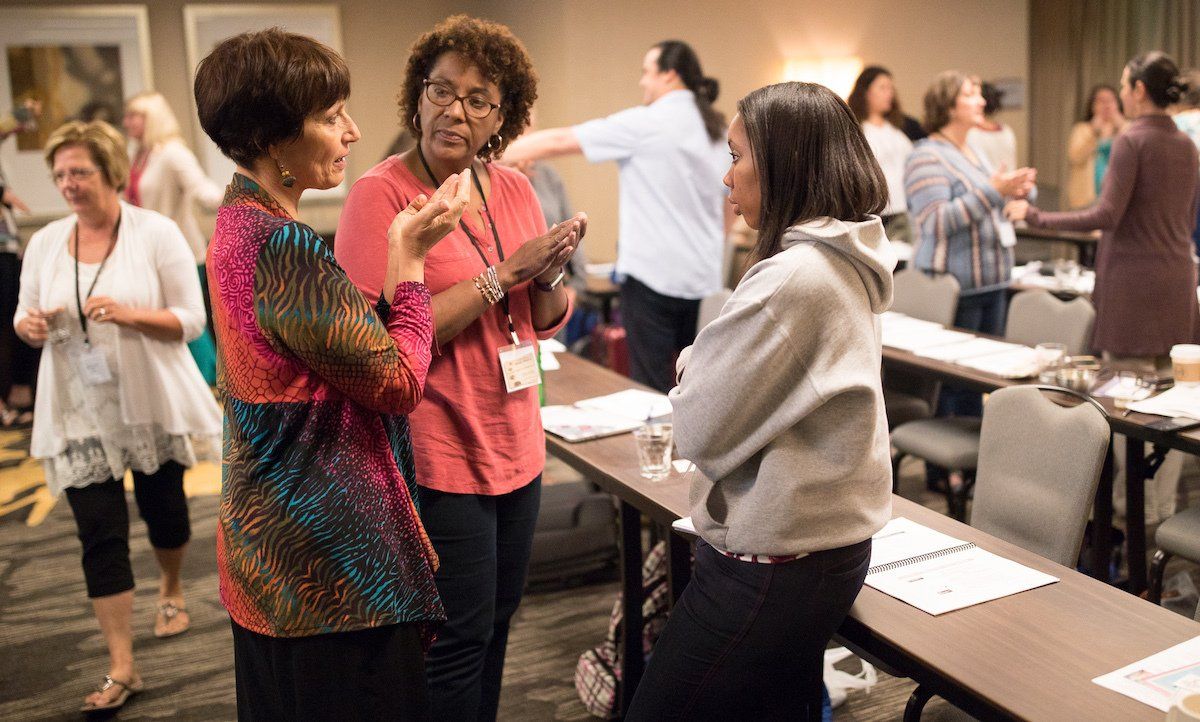
The 24 th International Energy Psychology conference was a fabulous success, with a blend of engaging keynote speakers, invited presenters, and learning labs. There was a lot of information crammed into just a few short days. The conference was more a sprint than a marathon! And it’s easy to forget things that we learned fast. How do we prevent that from happening? How can we remember and implement what we learned at the conference? Here are six ideas that can help: 1. Prioritize Take some time to reflect on the conference and decide what, of all the great information, was important to you. Maybe you were impressed by the growing research base of the various tapping tools like EFT and TFT. Maybe you were inspired by chakra-related tools like AIT, which was featured at the research symposium. Maybe it was blending the Eastern and Western paradigms that really hit home with you. Or perhaps you enjoyed mingling with other like-minded practitioners, realizing that you are not the only one who enjoys energy psychology approaches! 2. Start with you Take the lessons you learned and make them real by applying them to yourself. Did you enjoy the tapping sessions? Do your tapping every day! Did you enjoy learning about the chakras? Keep learning and explore moving your own energy. Did you love the blending of meditation and energy psychology practices that Dawson Church talked about? Make the commitment to do your daily practice. 3. Share with peers One of the best ways to learn is to teach. So, teach your peers what you learned! Ask to host a roundtable if you work in a group practice or host a get-together of other clinicians if you are in solo practice. Share what you learned, being clear about where your expertise is lacking but honing your understanding of the principles of energy psychology. 4. Use the techniques with your clients If you have taken extended training in these modalities but got out of the habit of using them in session, review your training materials and get back to practice. 5. Dive deeper If you were impressed and excited about energy psychology, consider signing up for more training. ACEP offers training on EFT and our revamped, hybrid Comprehensive Energy Psychology training is coming in 2023! Plus, ACEP has other wonderful online trainings. Check out ACEP's training catalogue . 6. Stay connected You may have exchanged emails or social media contact with new people at the conference. Stay in touch! These are your people. And it’s by staying in touch that we create community. These six ideas can help you retain what you learned at the conference. What ideas to you have to keep your learning alive? We’d love to hear from you! Author Sarah Murphy, LPC, is a licensed professional counselor and coach with more than 12 years of clinical experience. She specializes in energy psychology, including EFT, as well as mindfulness and hypnotherapy. In her therapy practice, she works with individuals seeking to find peace within themselves, people who have serious medical diagnoses, and couples who want to resolve conflict and live in harmony. Sarah's personal motto is that we are here to create a more peaceful world, one more-peaceful person at a time. She is an ACEP Board member and chair of the Communications Committee. Learn more at www.transformative-therapy.com .

Robin Trainor was an early adopter of energy psychology (EP) techniques. In fact, she presented at one of ACEP’s first conferences. She has worked with people in recovery from addictions, most of whom had underlying trauma, for more than 40 years. Robin, with a group of deeply talented clinicians and researchers, started a nonprofit, FREA . This organization serves those who survived sexual violence. You can read our blog about FREA here . Robin continues to use EP to help people in need in her therapy practice and beyond! Meet our hero: Robin Trainor Robin specializes in working with clients in recovery. Through that work, she noted that most of her clients had a lot of childhood trauma. She put together a support group for adult children of alcoholics. Most participants in this group enjoyed the interaction and bonded with their peers. However, there was a segment that did not want to spend time with the group and did not enjoy the social interaction. These people, it turned out, were survivors of sexual abuse. Before energy psychology: Clients in need, therapist in need Because there was a clear need for help, but the current group model did not suit them, Robin decided that this population needed a group for themselves. The problem was that there was no structure for this; no research pointed in the right direction; no roadmap had been drawn for survivors of sexual abuse. “I prayed,” she said, “understanding that although I did not know what to do, the power that created us does know what to do.” The best way forward, she decided, was to let the group evolve, and trust. Before finding energy psychology, EFT and EMDR, Robin said, she had a thriving practice, focusing on trauma, with a caseload of 40 clients and nine clinicians working for her. However, much as she applied the best of clinical skills, people really did not get better. “I didn’t realize how compromised I’d become,” she said. It was the inability to get results that was depleting her. The “new” tool that changed all that Energy psychology tools changed all that. Robin was an early adopter of EMDR and energy psychology practices. At her first ACEP conference, she met Gary Craig. The first time she did EFT, it made a radical difference in her life. She was so struck by the power of this technique, that while her friends went to dinner, Robin stayed in her room to tap away long-held issues. Robin invited Gary Craig to do a training in her area. “People thought we were weird. Which we were,” she laughs. Robin became passionate about learning energy techniques. She found that these tools made a huge difference in ongoing recovery. She was energized and excited about her work in her therapy practice, where her clients were making so much progress. Bolstered by this success and seeing the tremendous need, Robin was also led to create – with a dedicated group of likeminded practitioners – a nonprofit volunteer organization, FREA (Freedom, Recovery, and Empowerment from Abuse). FREA is dedicated to sharing these powerful EP tools throughout the US and beyond, moving from a one-to-one to a one-to-many therapy model. Results At a spiritual retreat in Mexico, Robin met Barbara (name changed for privacy). Barbara shared that she had been gang raped ten years earlier; the rage she felt was eating her up and ruining her life. She could not forgive her assailants, and her life was getting worse. Robin asked her if she wanted to clear this trauma. Barbara, who had tried almost everything, was skeptical but willing. The two found a space in hotel and got to work. At the beginning, Barbara said her distress was a 10 on a 10-scale. After tapping for about ten minutes, it reduced to zero. Then Robin led Barbara through the Tell the Story Technique. After about 45 minutes, Barbara could tell the story with no charge at all. A year later, these results held. Looking ahead Today, Robin is semi-retired and working with FREA. Her vision for her future is to see her motivated, inspiring clients, and to shepherd FREA to provide the structure and ability to train domestic abuse shelters and rape crisis centers, primarily “care for the caregiver” and “train the trainer” to help share EP with those in need. The vision is to train the staff of these centers to offer EP to their clients. Her favorite emergency self-care tool is the Butterfly hug , which provides quick relief for people with anxiety or experiencing trauma. Feel inspired? Robin was using EP techniques before they started making inroads toward the mainstream. We are still working in that direction! Her story might inspire us to push beyond the limits of our comfort zones, and to provide healing tools to people in need. If you want to learn more about energy psychology, sign up for ACEP’s training , or get certified. Author Sarah Murphy, LPC, is a licensed professional counselor and coach with more than 12 years of clinical experience. She specializes in energy psychology, including EFT, as well as mindfulness and hypnotherapy. In her therapy practice, she works with individuals seeking to find peace within themselves, people who have serious medical diagnoses, and couples who want to resolve conflict and live in harmony. Sarah's personal motto is that we are here to create a more peaceful world, one more-peaceful person at a time. She is an ACEP Board member and chair of the Communications Committee. Learn more at www.transformative-therapy.com .
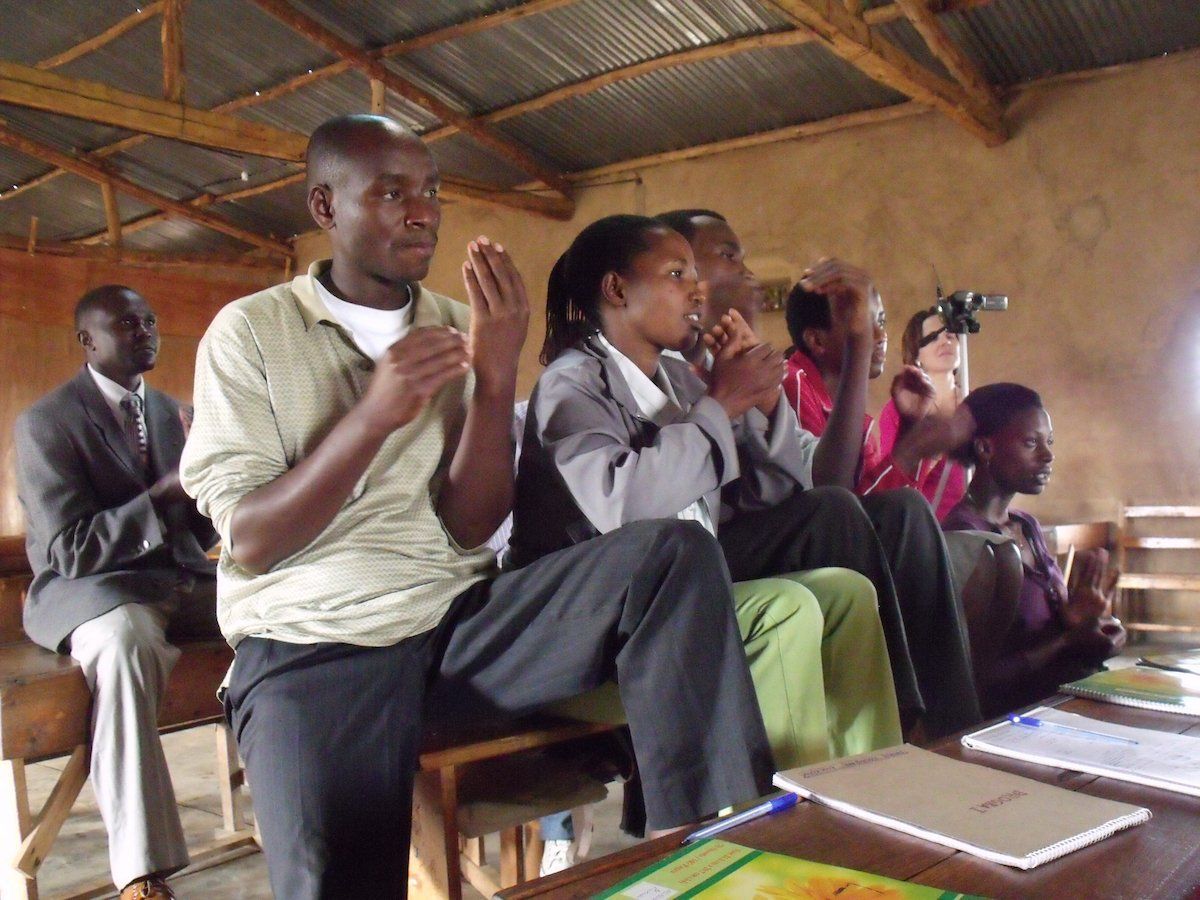
War, disaster, poverty: energy psychology delivers results

As of January 2022, over 307 research studies have been published on energy psychology (EP) methods in peer-rev iewed journals. This includes 70 randomized controlled trials and 55 clinical outcome studies. All except one of these 125 studies document EP’s effectiveness. Why is this important if you are a clinician in the field and how can it enhance your own practice? The importance of research Evidence-based practice is based on critically appraised research results combined with clinical expertise and the client’s lived experience. Research generally is of high value to society an d typically provides important information about disease trends and risk factors, outcomes of health interventions, health costs and use. Clinical trials can provide important information about the efficacy and adverse effects of interventions by controlling the variables that could impact the results of the study. This can then lead to the development of guidelines for best practice (e.g., Clinical Guidelines for EFT for Post-Traumatic Stress Disorder exist due to the research in this area). Research can also lead to the development of new therapies! An example is how Francine Shapiro developed eye movement desensitization and reprocessing (EMDR) by walking in the park and moving her eyes, which appeared to decrease her own distress (read more about her story here .) Integrating research in clinical practice Research tells us what works, but that does not always translate into clinical practice. Typically, two problems exist: New treatments take a long time to make their way into clinical practice . Practitioners are resistant to withdrawing established treatments from practice – even after research disproves their utility – and use the new ones. There is also the t ranslational g ap . It can take a long time before any new therapies become standard care. The American Institute of Medicine says this takes about 17 years. Furthermore, only 20% of new therapies ever make it into mainstream practice. This is the first reason I encourage clinicians to stay connected with the research – to learn what is no longer recommended and what is! An example from the cognitive field is that clinicians used to recommend that clients wear rubber bands on their wrist and snap it against the skin to stop a negative thought. For many decades this was standard practice. However, research and client feedback has indicated this can become a self-harm behavior. It is no longer recommended AT ALL. Unfortunately, many clinicians still use the approach. Why? They either have not read the research, have not attended new trainings with updated information, or they simply have not update d their own clinical training skills. When this occurs, the client is the one who is disadvantaged. Trauma research: A case in point Research into trauma-informed approaches has also changed in recent decades. Standard cognitive talk therapies used to be the standard of care for PTSD. However, trauma-focused psychological interventions are the gold standard today. The World Health Organization and other bodies recommend these approaches, like trauma-focused cognitive behavioral therapy (TF-CBT) and EMDR. They also suggest not using medication as a routine first-line treatment. Instead, they recommend trauma-focused psychological therapy. Yet you will find therapists using standard cognitive therapies or even other exposure processes for PTSD as routine intervention. I cannot stress enough the importance of staying up to date with clinical training through conference or workshop attendance. This is usually the easiest way to hear the latest and cutting-edge research being done (and better than reading a journal article!). This then brings us to the question of how can we disseminate the research in the field? Getting the research out Academics such as I usually publish in peer-reviewed journals. However, there is a vast number of journals and a relatively small number of clinically important energy psychology studies. Therefore, just finding the relevant studies can be overwhelming. Moreover, the studies you want may be hiding behind a paywall. Because of this, we have been targeting open access journals (where the academic has to pay to publish) so that clinicians in the field can read the articles free of charge. Here are some ways you can find the research more easily, and therefore share among your own networks. The most important part is to share it. You may want to share with clients, colleagues, or a wider social network (e.g., I showcase outcomes of EFT research trials on my Instagram account, and then others share them far and wide). Finding the research The Cochrane Collaboration has pledged to summarise all randomised controlled trials of healthcare interventions, and is available, updated quarterly. If you search studies on EFT, you will find them. Cochrane is a British international charitable organisation. It organises medical research findings to facilitate evidence-based choices about health interventions involving health professionals, patients and policy makers. It is trusted evidence, so sharing energy psychology research from there will be associated with a rigorous approach. Many of the EP organisations maintain research pages and these can be the easiest way to read about a study (often with a lay summary included) and share through your own communities too. A list is included below – join their mailin g lists or follow them on social media. ACEP has a robust research section on this web site that lists energy psychology studies, including TFT and EFT. It is updated once a year . You can access it here. Research on EFT EFT research with lay summaries It probably goes without saying, but also be diligent in what you read and where. Many websites are not reputable (e.g., skeptics regularly change Wikipedia’s page on EFT so it does not reflect the actual published research). I recommend that you encourage your skeptical colleagues to cast their search net wider than Wikipedia! Lastly – Can you do your own research? Research does not need to be relegated to academics alone, as integrating clinical research within private practice can be intellectually stimulating and rewarding on many levels. As research funding and grants become increasingly scarce, there may be an increasing need for private practitioners to participate in clinical research, both in cohort studies and in the further testing and development of new therapies. The patient pool available to clinicians is different (e.g., you may see someone at an earlier stage of illness; or with a subclinical diagnosis). Including these patients in research will add valuable information that may ultimately improve delivery of care to patients. Critics often claim that academic research does not reflect the common issues that ordinary clinicians face. They also charge that academic studies have overly strict inclusion/exclusion criteria. Participating in / conducting clinical trials can build up your practice in two ways: It may bring new patients to your practice because of research you adv ertise, and increase community awareness of your practice. The clinical research conducted in the private setting can potentially strengthen the clinical skills of any clinician. Data from private practices could help us argue for increased funding from medical insurance companies as well, ultimately leading to better patient care. You can approach acade mics at universities to auspice research through their ethics processes, or you can just design informed consent processes yourself and collect data anyway. There are a range of outcome measures available free of charge you can use (like the ones here ). Remember to publish it too! This could be as simply as in your blog, or a specific journal. You do not need to be an academic to publish in a journal and many exists for patient care (e.g., The Journal of Patient Experience ). A last note, there are documents available to guide practitioners in the field to conduct research –like this one . If you want to learn more about practitioner research, check out P ractice-oriented research: What it takes to do collaborative research in private practice Join in energy psychology research! Currently ACEP has partnered with Bond University and is conducting field research into many energy psychology modalities. This could be a way to engage and see what research is like. Both practitioner and their clients are included in this research – you can read more here . Final thoughts In sum, there are three important points to tak e away: It is important to stay up to date with research outcomes as they are designed to impact clinical practice. If you need to update or change your practice approach, schedule that new training! When you read or hear of new research outcomes (especially in EP), share this news with people outside your EP circles. Translational gaps will close this way. And everyone will win. Finally, join the research movement and contribute to the published outcomes! Stay open and curious in your journey and I hope to see you at a conference soon. Author Dr. Peta Stapleton is a registered clinical and health psychologist and associate at Bond University (Queensland, Australia). She embraces evidence-based practice and is passionate about new and innovative techniques to support behavior change. Peta is a world leading researcher in Emotional Freedom Techniques (EFT or Tapping. She has won many awards, including 2019 ’s Psychologist of the Year by the Australian Allied Health Awards. She has authored the award winning The Science Behind Tapping: A Proven Stress Management Technique for the Mind and Body (Hay House). Photo by Becca Tapert on Unsplash
If you’re stressed and want to learn how to release that stress quickly, you’re in the right place. This blog teaches you an easy tool you can use right now to help you reduce stress right away.

The Journal of Oriental Neurology published a study by Lee et al . The study looked at EFT as a stress-reducing tool for medical students. The study found that a brief, group EFT practice alleviated test stress, negative affect, and anxiety in medical students in just six, 15-minute sessions. The problem and the rationale Medical students often experience higher academic stress and lower quality of life than college students from other disciplines. Students attribute this stress to an overwhelming volume of learning to be completed in a short time, frequent examinations, concerns regarding academic grades, and fear of grade retention. The academic stress of medical students is known to affect the doctor-patient relationship and quality of clinical practice, and contributes to frequent experiences of anxiety, depression, obsessive-compulsive disorder, interpersonal insensitivity, and lowered immune functioning. Given the importance of this concern and EFT’s track record of reducing stress, researchers wondered if a brief, group EFT intervention could relieve stress in medical students. The study setup This was a single group pre- post study. Participants A class of first-year medical school students (n=36) participated in an after-school EFT group intervention program. Protocol The program included six sessions of 15 minutes/session twice a week for three weeks. The program was led by a neuropsychiatry resident who had completed an eight-hour EFT training workshop. Assessments Students were assessed using the Perceived Stress Scale (PSS), Test Anxiety Inventory (TAI), Positive and Negative Affect Schedule (PANAS), and State-Trait Anxiety Inventory (STAI) scores pre- and post-EFT and at two-week follow-up. Study results There were significant reductions at post-EFT and follow-up measures in TAI-Total, TAI-Worry, TAI-Emotionality, PSS-Negative Perspective, and PANAS-Negative Affect subscales. Trait anxiety was significantly mitigated in the post-EFT measure and the state anxiety at the two-week follow-up measure. Why this study matters The authors concluded that the brief (15minutes/day, two sessions/week for 3 weeks) group intervention of EFT alleviated test stress, negative affect, and anxiety in medical students. This study contributes to an understanding of academic stress and shows how EFT can be used successfully to mitigate stress in the competitive environment of medical education. Do you want to participate in research? ACEP has partnered with Peta Stapleton to create an online database to track clinical results of practitioners and their clients using a variety of energy psychology methods. This study will add to the literature on non-tapping methods as well as EFT and TFT, which already have a robust body of literature supporting them. If you would like to add to the data, go to ep-research.com and get started! Authors John Freedom, CEHP , serves as the chair of ACEP’s research committee, on the Board of Trustees of EFT International, and as executive director of FREA: Finding Recovery and Empowerment from Abuse. The author of Heal Yourself with Emotional Freedom Technique, he leads trainings and events throughout the US and in Europe. Sarah Murphy, NCC, LPC , serves on ACEP’s board and as the chair of ACEP’s research committee. She has a private counseling practice . She also works as staff counselor for Unite for HER , where she provides counseling for clients who have cancer. Photo by Sean Kong on unsplash

The pandemic, the wars abroad, the political divide at home, inflation, commuting again – sometimes it seems the world has gone crazy. How are we to keep ourselves sane and grounded amidst all that turmoil? The question is not rhetorical. I read the research on mental health and talk about these things with my clients all the time. Here are some ideas that can help you stay sane when the world seems to be going crazy. Get back to your cushion. I know, the meditation cushion is almost cliché. That doesn’t mean it’s not important! In my case, it’s a futon in the spare room. Wherever you sit, go sit. Do it every day. If you haven’t started a mindfulness or meditation practice, this is a good time to do it. There’s a lot of research that shows how meditation changes our mood and even changes our brain . It’s probably the single best thing you can do to ensure a little smoother sailing when the waters are rough. Connect to your peeps. Your friends and family need you and you need them. Human beings exist in relationship to others, and we just can’t thrive without them. So, send a message, or dial the phone. Have a talk or plan a date. Meet for a walk or a coffee. Whatever you do with them, make your people your priority. They’ll remind you what’s important and what’s eternal, and your life will be better for it. Stay in your body. And help your body calm down. It’s interesting to see how often people are unaware of the signals of distress their bodies are sending. I remember being unaware of them myself, but with practice, I learned to notice and respond to them. You can, too. Things like walking, running, exercising in general can help you burn off extra energy, which we often need to do. Other things like EFT/TFT tapping, other energy psychology approaches or yoga practices can shift the energy in our body-mind. All of it can help us stay centered, grounded, and calm. Laugh. Watch a funny sitcom or stand-up show. Listen to a humorous podcast. Spend time with your funny friend. When all else fails, watch laughing babies on YouTube. Whatever tickles your fancy is fair game – but make laughing a priority. It changes our body chemistry and makes us feel better long after the giggles stop. Appreciate nature If you can, go outside. Appreciate the quiet of a snowfall or the din of an ocean or the soothing sound of early birds. Smell the roses! Or the salt air, the moss of the forest, the dry dust of desert sand. Feel the warmth or coolness or shock of cold on your skin. And look! The natural world is beautiful. Cultivate a beginner’s mind and take it all in with appreciation. Slow down. When we are in a rush, our body is filling with stress hormones like cortisol and adrenaline. Over the long haul, that’s not good for you. Even in the short term, it doesn’t feel great. When we are stressed, we feel, well, stressed. Cultivate the opposite: Take a pause before you cross the threshold of any room. Take a breath before you talk. When you transition from one activity to the next, take a moment to notice that you are shifting. This is one that I need to practice more this year. How about you? What from this list strikes a chord with you? What did I leave out? I’d love to hear from you! ACEP is a community of professionals working in the field of energy psychology. Energy psychology encompasses biofield therapies like Reiki and Healing Touch, chakra-based tools like Advanced Integrative Therapy or AIT (and which are included in our Comprehensive Energy Psychology training), and meridian-based tools like EFT and Thought Field Therapy or TFT. We believe in, use, and promote these tools because they are so effective in helping people lead happier lives. Do you think like us? Become an ACEP member! Author Sarah Murphy, LPC, NCC is a clinician in private practice. She also serves as staff therapist for Unite for HER. Sarah serves on the board and chairs the communications committee of ACEP. She loves blogging about research. Photo by Erwann Letue on Unsplash
Get updates about energy psychology, energy practices and more.
Donate
Your financial support will help ACEP expand the use of energy psychology.
The result? More healing.
Created by Olive + Ash.
Managed by Olive Street Design. 